
The Investigation Versus the Police
The Mysterious Affair at StylesPoirot’s independent reasoning and the official investigation alternately cooperate and conflict as each tries to distinguish proof from an attractive theory.
increasing Bearing strength in each event
 decreasing
Bearing strength in each eventdecreasingA Private Inquiry
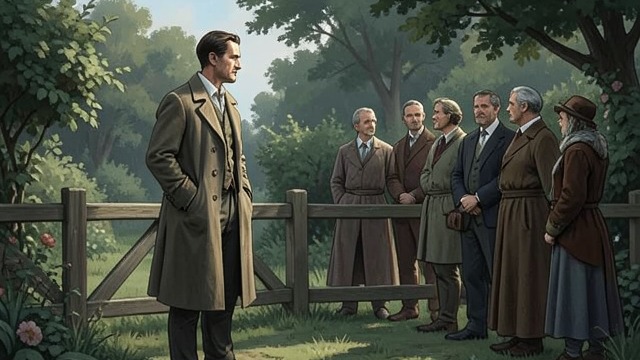
Poirot’s Early Lead
Local Knowledge
Hastings brings Poirot into the investigation before Scotland Yard takes full control. Poirot has immediate access to the household and its objects, but must work without official authority.
Discretion and Debt
He accepts partly because Emily helped Belgian refugees. His gratitude gives the investigation a personal dimension, while his insistence on privacy limits unnecessary publicity.
The Inquest’s Accusation
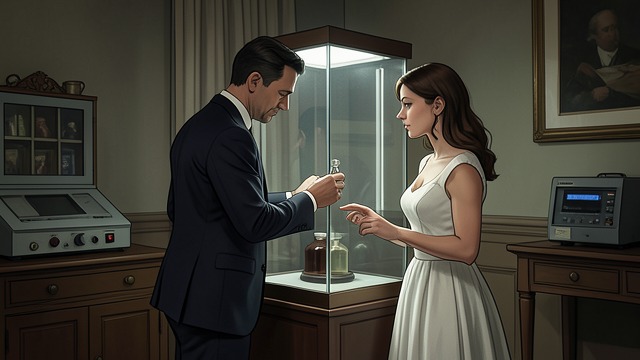
Official Suspicion
A Strong Case Against Alfred
The inquest hears that strychnine caused Emily’s death and that a man resembling Alfred bought poison. The apparent combination of motive, opportunity, and physical evidence encourages an early conclusion.
Poirot Holds Back
Poirot warns James Japp that arresting Alfred would be a mistake. The official evidence looks strong, but its very neatness makes Poirot suspect deliberate manufacture.
The Alibi Revealed
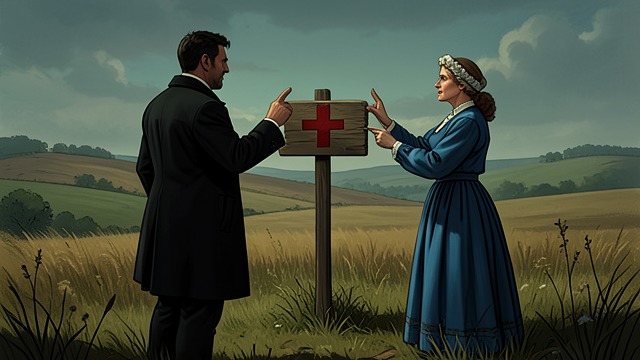
A Public Reversal
Witnesses at Abbey Farm
Poirot supplies witnesses who place Alfred with Mrs. Raikes far from the chemist at the time of the purchase. The alibi converts the prosecution’s strongest apparent fact into evidence of impersonation.
Police Caution
James Japp recognizes the value of Poirot’s warning and avoids a wrongful arrest. Cooperation depends on Poirot revealing enough to prevent the police from acting on a false case.
The Wrong Arrest
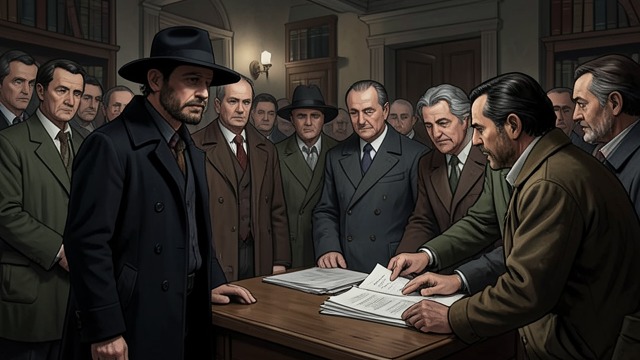
A New Suspect in Custody
Hastings Misreads Events
Hastings assumes Dr. Bauerstein has been arrested for Emily’s murder. Poirot corrects him: the doctor is detained for espionage, a separate matter entirely.
Parallel Investigations
The misunderstanding shows how readily suspicion attaches to a conspicuous outsider. The official arrest does not solve the poisoning and briefly distracts Hastings from the evidence at Styles.
The Final Collaboration
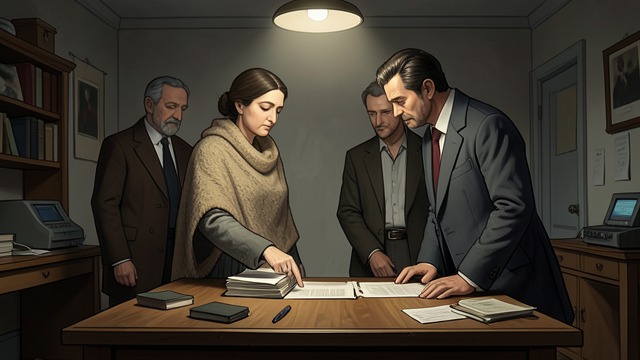
Evidence Reaches the Police
Poirot’s Reconstruction
After recovering the missing letter, Poirot summons the household and explains the method, motive, and frame. His account supplies the coherent structure that isolated investigations could not provide.
Arrests Made
The police act on the final proof against Alfred and Evelyn. Poirot’s private reasoning and official power meet at last, converting certainty into a prosecutable case.
Morning after Emily’s death
Friday after Emily’s death
Immediately after the inquest
After Dr. Bauerstein’s arrest
Near the ending
